Can You Drink Tap Water in Greece? The Truth About Athens
Can you drink tap water in Greece? Here's the scoop on Athens drinking water, Greek islands, bottled water and what to know before you sip.
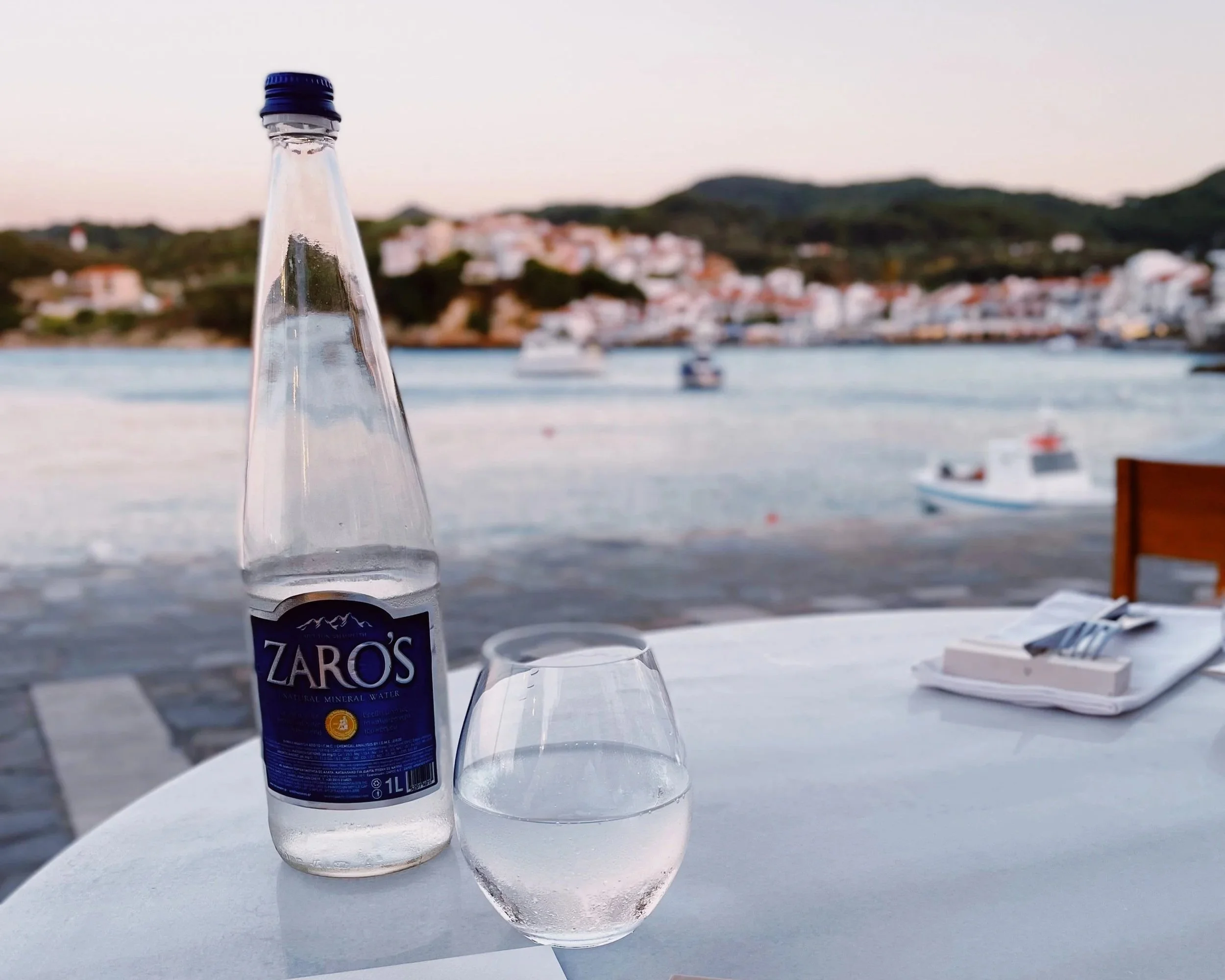
Photo: Uğurcan Özmen/ Pexels
Athens is one of our favorite places to visit. Between the ancient ruins, rooftop bars and ridiculously good food, it's a city we never get tired of. But on our trips, we noticed one habit we couldn't quite explain: We were always buying bottled water. Whether we were heading out to explore the Acropolis or just hanging out at our hotel, we automatically reached for a bottle instead of the faucet. Which got us thinking: Can you drink tap water in Greece? Or is bottled water actually a travel essential?
As it turns out, good news for your wallet (and your reusable water bottle): tap water in Athens is safe to drink. And looking back, we probably should've realized that sooner, considering how often restaurants asked if we wanted tap, sparkling or bottled water. But before you start filling up at every faucet from Athens to Santorini, there's a little more to the story. Drinking water quality varies across Greece, especially on the islands.
So, where can you sip straight from the tap and where should you play it safe? Read on for everything you need to know about drinking tap water in Greece.
Is Tap Water Safe to Drink in Athens?
Yes, tap water in Athens is safe to drink. So if you've been side-eyeing the bathroom sink at your Athens hotel, consider this your green light to fill up. Athens has a well-established water supply system, and its drinking water is treated and regularly tested to meet Greek and European safety standards.
According to EYDAP, the Athens Water Supply and Sewerage Company, the city's drinking water is monitored to ensure it complies with national and EU drinking water regulations. That means whether you're staying in a boutique hotel in Plaka, an Airbnb in Koukaki or an apartment near Monastiraki, you can generally drink water straight from the tap.
And yes, that includes using Athens tap water to brush your teeth, make your morning coffee, wash fruit or cook dinner. No need to turn your hotel room into a mini bottled-water warehouse. Something we definitely could've used a reminder of during our visits.
RELATED: Cats in Greece Are Everywhere — Here’s Why (And What Tourists Should Know)
Why Is Athens Tap Water Safe to Drink?
Athens might be famous for ancient ruins, rooftop bars and ridiculously good souvlaki, but its water infrastructure deserves a little credit, too. According to EYDAP, Athens gets much of its drinking water from four main reservoirs: Mornos, Evinos, Marathon and Yliki.
Before reaching your faucet, the water undergoes treatment and quality monitoring. EYDAP also conducts chemical and microbiological testing to ensure the water meets drinking water standards.
In fact, according to EYDAP's 2023 Sustainability Report, the company conducts daily drinking water quality checks seven days a week, with more than 9,000 samples tested annually for microbiological parameters. That's significantly more than the 3,300 required by legislation.
Translation? The water coming out of your Athens hotel tap isn't some mystery liquid you need to investigate.
One small caveat: The condition of your accommodation's plumbing matters. If you're staying in an older apartment and the water looks discolored, smells strange or your host mentions plumbing issues, ask before drinking it.
Can Tourists Drink Tap Water in Greece?
Yes, tourists can drink tap water in many parts of Greece, especially in major cities like Athens and Thessaloniki. And no, you don't need to develop some magical local tolerance first.
According to the U.S. Department of State, tap water in Greece is generally safe for drinking and cooking, particularly in major cities and on larger islands. So, if you're wondering whether drinking tap water in Greece will automatically lead to an unfortunate vacation bathroom situation, the answer is no. Properly treated municipal drinking water is generally safe for visitors and locals alike.
Of course, it's always worth paying attention to local water advisories, especially if you're heading somewhere remote or staying in accommodation with a private water supply.
RELATED: Is It Safe to Travel to Greece Right Now? Here's What Most Travelers Don't Realize
Is It Safe to Drink Tap Water on the Greek Islands?
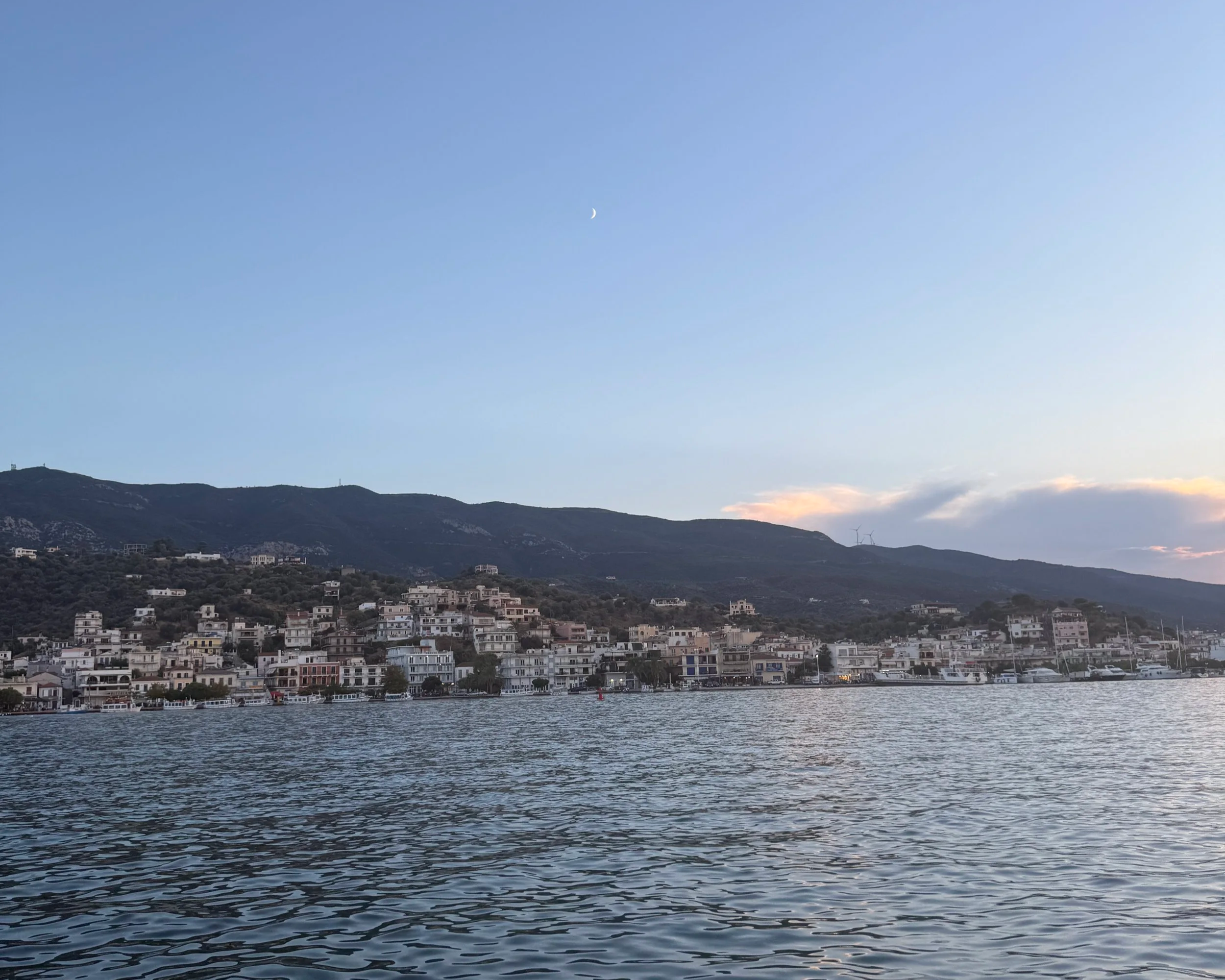
Photo: Internationista.com
Sometimes yes, sometimes no. And this is where the Greek tap water situation gets a little more complicated. While drinking tap water in Athens is generally fine, you can't automatically assume the same applies to every Greek island.
Some islands have reliable, treated municipal drinking water. Others rely on desalination, imported water or local supplies that may vary in quality, taste and suitability for drinking. According to the U.S. Department of State, bottled water may be preferable on some of Greece's drier islands where water is imported or desalinated.
Planning to visit Santorini, Mykonos, Paros, Naxos or Crete? Don't assume the same rules apply everywhere, even across different towns on the same island.
And here's something worth knowing: Desalinated water isn't inherently unsafe. Whether it's drinkable depends on how it's treated, monitored and distributed. Interestingly, travelers have some pretty mixed opinions about drinking tap water on the Greek islands, especially when it comes to taste.
In a discussion on Rick Steves' Europe travel forum, one traveler shared that they stuck to bottled or filtered water on Santorini and Naxos because they disliked the taste of the tap water on Santorini. Athens, on the other hand? They described the tap water as "perfect."
Another commenter on the same forum noted that while they considered Greek tap water generally safe, it could taste brackish in certain areas, including parts of Athens and some islands. They also praised the mountain-sourced tap water in Delphi and Arachova.
Of course, these are personal travel experiences, not official water quality assessments. But they highlight an important distinction: Water that tastes unpleasant isn't necessarily unsafe to drink.
And the opposite is true, too. Water that tastes fine isn't automatically safe, which is why local guidance matters. Your best move? Ask your hotel or Airbnb host if the tap water is potable. One quick question, zero unnecessary guessing.
Should You Drink Tap Water or Bottled Water in Athens?
In Athens, tap water is generally the more practical choice. It's safe, convenient, budget-friendly and saves you from buying a new plastic bottle every time the Greek sun reminds you that you're human. Bottled water is everywhere in Athens. You'll find it at supermarkets, kiosks, cafés and practically every tourist-heavy street.
But here's the thing: You don't actually need to buy bottled water just because you're in Greece. If you're exploring Athens in summer, bringing a reusable water bottle is a smart move. Fill it up before heading out to the Acropolis, Ancient Agora or your next café stop.
Some travelers simply prefer the taste of bottled water, which is totally fair. But when it comes to safety, properly supplied Athens tap water is a perfectly reasonable choice.
More money for iced freddo cappuccinos? We're not complaining.
RELATED: Is This the Best Cooking Class in Athens Greece? Our Honest Review of The Greek Kitchen
Can You Drink Tap Water at Restaurants in Athens?

Photo: Internationista.com
Yes, you can drink tap water at restaurants in Athens. In fact, it's something we do all the time when dining out in the city.
One thing we've noticed during our visits is how often servers ask whether we'd like tap, sparkling or bottled water. We always go for tap water at restaurants, and it's never been an issue. Funny enough, we were still buying bottled water to keep at our hotel, even though we were happily drinking straight from the tap whenever we went out to eat.
And it's not just our experience. According to the U.S. Department of State, tap water is generally safe to drink in major Greek cities like Athens.
So, next time you're settling into a taverna for some Greek salad and a plate of tzatziki, don't feel like you have to order bottled water. Athens restaurant tap water is generally safe to drink, and ordering it is an easy way to skip the extra plastic.
More room in the budget for another appetizer? Always a win.
Does Athens Tap Water Taste Good?
Athens tap water is safe to drink, but whether it tastes good is a matter of personal preference. Some visitors notice a slightly mineral-like or chlorinated taste. Others barely notice a difference. The mild chlorine flavor can come from the water treatment process, which helps keep drinking water safe as it moves through the distribution system.
And if you spend any time browsing Greece travel forums, you'll quickly realize that opinions on tap water taste are all over the place. In that same Rick Steves' Europe discussion, one traveler loved the Athens tap water while another pointed out that even some areas of the capital can have water with a less-than-pleasant taste.
So, while Athens drinking water meets safety standards, don't be surprised if your taste buds have their own opinion.
If the taste isn't your favorite, try putting a jug of tap water in the fridge. Cold water often tastes more refreshing, especially after a long day wandering around Athens.
You can also use a water filter designed to improve taste, although one isn't generally necessary for safety when drinking from the city's properly maintained municipal supply.
Can You Brush Your Teeth With Tap Water in Greece?
Yes, you can brush your teeth with tap water in Athens. No need to awkwardly rinse your toothbrush with bottled water like you're on a survival reality show. The same goes for washing fruit, rinsing vegetables, making coffee and cooking.
In other parts of Greece, particularly on smaller islands or in remote areas, check whether the local tap water is drinkable. If your accommodation advises against drinking the water, use bottled or appropriately treated water for brushing your teeth, too.
Can You Drink Tap Water at Athens Hotels and Airbnbs?
Yes, tap water at most Athens hotels and Airbnbs connected to the municipal water supply is safe to drink.
Whether you're waking up in a hotel overlooking the Acropolis or staying in a cute little apartment tucked into the streets of Plaka, the municipal water generally meets the same drinking water standards. The thing to watch out for isn't necessarily Athens water itself, but the plumbing inside the building.
Older pipes, poorly maintained water tanks or private water systems can affect water quality.
If something seems off, ask your host or hotel reception. Otherwise, there's no need to panic every time you turn on the faucet.
Is It Safe to Drink Tap Water in Thessaloniki?
Yes, tap water in Thessaloniki is generally safe to drink. Athens isn't the only Greek city where you can confidently fill your reusable bottle. According to EYATH, Thessaloniki's water utility, the city's drinking water undergoes regular laboratory testing and monitoring for chemical and microbiological quality.
So, if your Greece itinerary includes both Athens and Thessaloniki, you can generally drink municipal tap water in both cities.
As always, follow any local water advisories and check with your accommodation if you have concerns about the building's plumbing.
Can You Drink Tap Water in Greece? The Bottom Line
Here's the deal: If you're visiting Athens, you can generally drink tap water without worrying about its safety. It's treated, monitored and safe for everyday use, so there's no need to spend your vacation budget on endless bottles of water.
On the Greek islands, things are a little less straightforward. Some places have perfectly drinkable tap water, while others have water that doesn't taste particularly great or may not be recommended for drinking. When in doubt, ask a local or your accommodation before filling up.
And as for us? Next time we're in Athens, we'll be reaching for the tap instead of automatically grabbing another plastic bottle. After all, that's more euros to spend on something far more exciting. Like another plate of tzatziki. Or a sunset cocktail overlooking the Acropolis. Priorities, right?
Sources:
EYDAP: Sustainability Report 2023
U.S. Department of State: “Greece”
EYDAP: “WATER QUALITY INSPECTION: CHLORINE SAMPLING”
Rick Steves Europe: “Don't Drink The Water?”