Is Tokyo Expensive in August? Here's What the Data Actually Says
Wondering is Tokyo expensive in August? Here's what the latest data says about hotel prices, food costs, transport and how much you really need to budget.
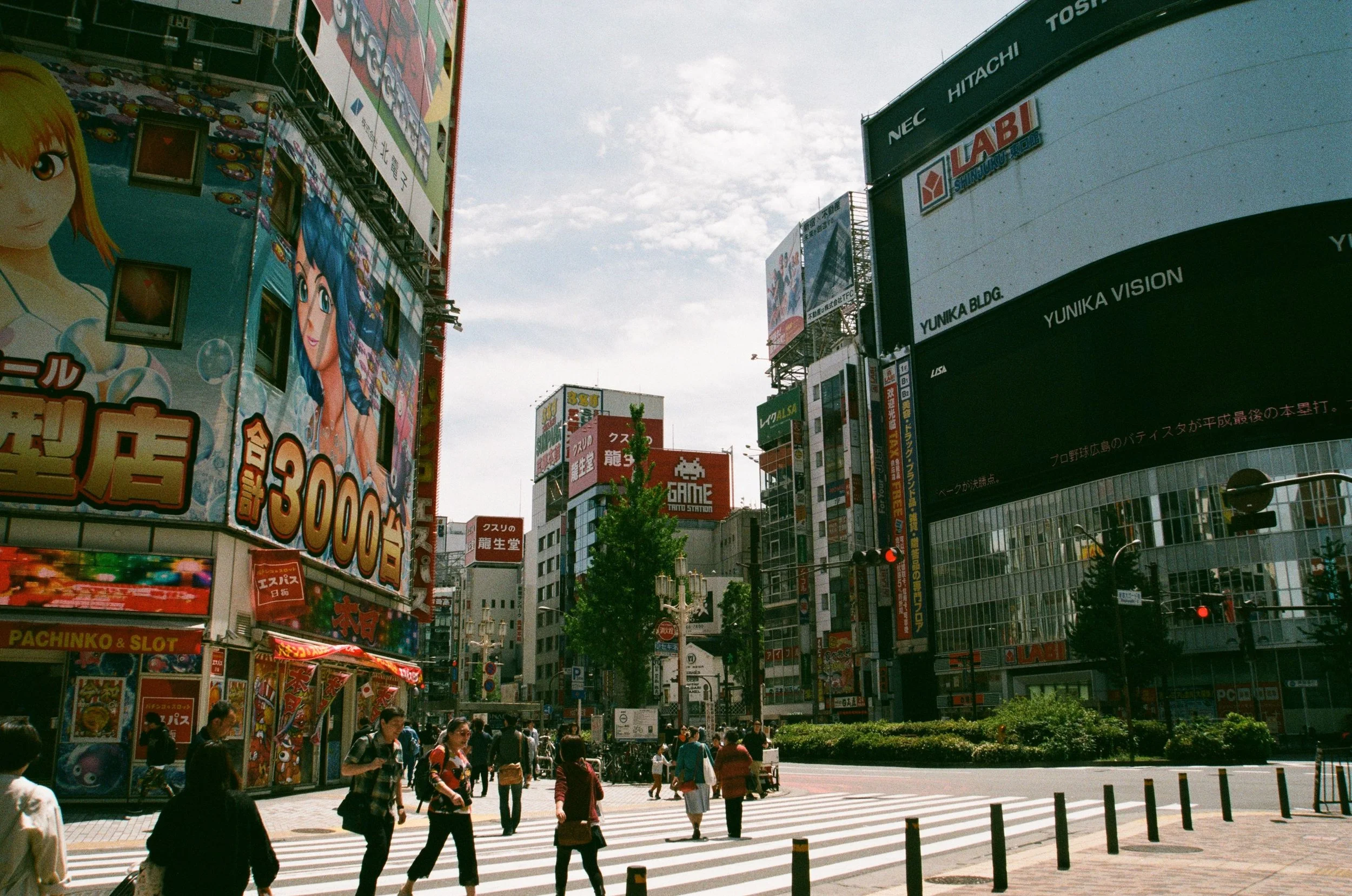
Photo Credit: Vitalina
If you've spent more than five minutes researching Tokyo, you've probably stumbled across two completely different opinions.One person insists you'll need to remortgage your house just to afford lunch. Another claims Tokyo is actually cheaper than London, New York or Paris. So ... which is it? The truth is somewhere in the middle.
Tokyo can be more expensive in August, but not for the reasons many people think. While hotel prices often rise during Japan's busiest holiday period, everyday costs like food, public transport and many attractions remain surprisingly affordable. Rather than relying on travel myths, this guide brings together information from official tourism resources, transport operators, government data and reputable travel publications to answer one simple question: Is Tokyo expensive in August?
Read on to find out what actually costs more, what stays surprisingly affordable and how much you should realistically budget.
Is Tokyo More Expensive in August?
Generally, yes—but mainly because August includes Obon, one of Japan's busiest domestic travel periods.According to the Japan National Tourism Organization (JNTO), Obon is one of Japan's peak holiday seasons, with millions of people travelling across the country to visit family or take summer vacations.
For 2026, the busiest travel window falls between 13–16 August. Travel publication Self Guide Japan estimates that accommodation prices can increase by 30% to 50% during the Obon holiday period as demand surges. The publication also notes that popular Shinkansen routes frequently sell out well in advance, making early reservations essential if you're travelling during these dates.
If your travel dates are flexible, visiting before or after Obon can help you avoid both the largest crowds and the highest accommodation prices.
RELATED: 5 Best Silent Travel Destinations in the U.S. for Quiet Retreats & Wellness Escapes
How Much Should You Budget Per Day?
The answer depends on your travel style. According to Budget Your Trip, which compiles traveller spending data, estimated daily budgets are:
Budget traveller: ¥10,000–15,000 per day
Mid-range traveller: ¥20,000–35,000 per day
Luxury traveller: ¥50,000+ per day
These figures are estimates rather than official government statistics, but they provide a useful benchmark when planning your trip. Remember that accommodation is usually your biggest expense, particularly during August.
Are Hotels More Expensive in August?
Yes—and this is where most travellers notice the biggest increase in costs.
According to a report by Seoul Economic Daily, Tokyo's average hotel room rate is around ¥33,168 per night, reflecting the city's consistently strong accommodation demand. Prices naturally vary depending on the neighbourhood, hotel category and how far in advance you book, but the figure highlights why accommodation often accounts for the largest portion of a travel budget.
During the Obon holiday period, demand pushes prices even higher, particularly in popular areas such as Shinjuku, Shibuya and Ginza.
If you're looking to save money:
Book your accommodation several months in advance.
Stay in neighbourhoods like Ueno, Asakusa or Ikebukuro.
Avoid travelling during Obon if your schedule allows.
RELATED: We Tried it: Sweat, Chill, Repeat: Discovering Amsterdam’s Coolest Sauna Ritual at Badhus
Is Food Expensive in Tokyo?
Not really—and this is where Tokyo surprises many first-time visitors. According to the Michelin Guide, Tokyo has more Michelin-starred restaurants than any other city in the world. Fortunately, you don't need a Michelin-sized budget to eat well. Affordable meals are easy to find throughout the city, including:
Ramen
Udon
Curry rice
Bento boxes
Convenience store meals
Conveyor-belt sushi
Many visitors find food costs surprisingly reasonable compared with other major cities like London or New York.
Does the August Weather Make Tokyo Feel More Expensive?
It certainly can. According to the Japan Meteorological Agency (JMA), Tokyo typically experiences average daytime highs of around 31–33°C (88–91°F) during August, along with high humidity.
The weather won't increase attraction prices, but it may increase your daily spending on:
Bottled water
Sports drinks
Ice cream
Air-conditioned cafés
The occasional taxi when walking suddenly feels like a terrible life decision
Individually these purchases are small, but over several days they can noticeably increase your overall budget.
RELATED: What to Wear in London: The Ultimate Seasonal Outfit Guide + London Packing List
Is Public Transport Expensive?
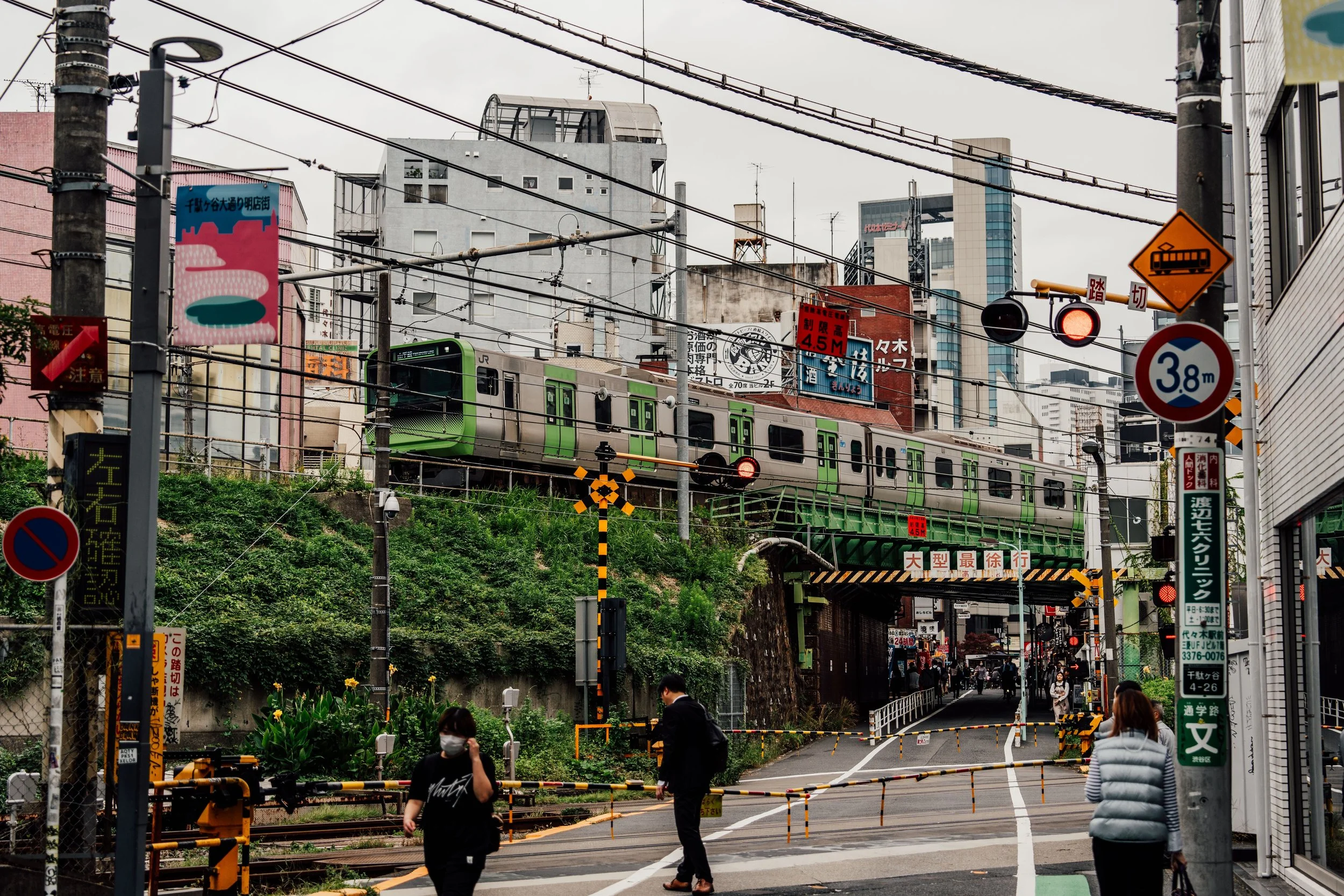
Photo Credit: G N
No. Tokyo's public transport network is one of the world's most efficient and surprisingly affordable. According to Tokyo Metro, most subway journeys cost between ¥180 and ¥330, depending on the distance travelled.
Unless you're taking multiple day trips outside the city, transport is unlikely to be one of the biggest expenses during your visit.
Are There Any Extra Costs Tourists Should Know About?
One expense many visitors don't realise they're paying is Japan's international departure tax, often nicknamed the "Sayonara Tax."
If you're flying home from Tokyo, this fee is automatically included in the price of your airline ticket—you won't pay it separately at the airport.
Following the increase that took effect on 1 July 2026, the tax is now ¥3,000 per international departure.
While it's a relatively small cost compared with flights or accommodation, it's worth remembering that it's already built into your airfare.
Can You Visit Tokyo on a Budget in August?
Absolutely. Even during one of the busiest months of the year, there are plenty of ways to keep costs under control.
Some of the easiest ways to save money include:
Booking accommodation well in advance.
Avoiding the Obon holiday period if possible.
Eating at local ramen, udon and curry restaurants.
Buying breakfast from convenience stores.
Using Tokyo's excellent public transport instead of taxis.
Visiting free attractions like Meiji Jingu, Senso-ji Temple, Yoyogi Park and the Imperial Palace East Gardens.
Tokyo has a reputation for being expensive, but with a little planning, it's entirely possible to enjoy the city without overspending.
So, Is Tokyo Expensive in August?
Tokyo is more expensive in August than during quieter months—but it's far from one of the world's most expensive destinations.
Accommodation is where you'll notice the biggest increase in prices, particularly during the Obon holiday period. Food, public transport and many of Tokyo's top attractions remain relatively affordable, helping balance your overall travel costs.
If you book your hotel early, avoid peak holiday dates where possible, and plan a realistic budget, August can still be an excellent time to visit.
Tokyo's reputation as an incredibly expensive city doesn't tell the whole story—and the data suggests it's far more affordable than many travellers expect.
Frequently Asked Questions
Why is Tokyo more expensive in August?
Tokyo becomes more expensive in August because of increased demand during the Obon holiday period. Hotels, domestic flights and Shinkansen tickets are particularly affected, while food, local transport and many attractions generally remain similarly priced throughout the year.
Is August a good time to visit Tokyo?
Yes, if you don't mind the heat. August offers festivals, fireworks and a lively atmosphere, but it's also one of Tokyo's hottest and most humid months. Booking accommodation early is especially important if you're visiting during Obon.
How much money do I need for 7 days in Tokyo?
Based on estimates from Budget Your Trip, a budget traveller may spend around ¥70,000–105,000 excluding flights, while a mid-range traveller could budget ¥140,000–245,000. Your total will largely depend on where you stay, how often you dine out and whether you take day trips.
What is the cheapest month to visit Tokyo?
January (after the New Year holidays), February and parts of June are often among the cheapest times to visit Tokyo due to lower tourist demand and more competitive hotel prices. Avoiding major Japanese holiday periods usually results in better deals.
Can you visit Tokyo on a budget in August?
Yes. Booking accommodation well in advance, travelling outside the Obon period, using public transport, eating at local restaurants and visiting free attractions are some of the easiest ways to keep costs down.
Is Tokyo more expensive than New York or London?
Not necessarily. While hotels in central Tokyo can be expensive during peak travel periods, food, public transport and many everyday expenses are often cheaper than in New York or London, making Tokyo better value than its reputation suggests.