The 12 Best Christmas Markets in Europe for 2026 That Are Actually Worth the Flight
From Vienna's palace-side Christmas villages to Prague's fairy-tale squares, these European Christmas markets bring serious holiday magic. Here's where to go, when to visit, what to eat and which ones won't charge you a cent to enter.
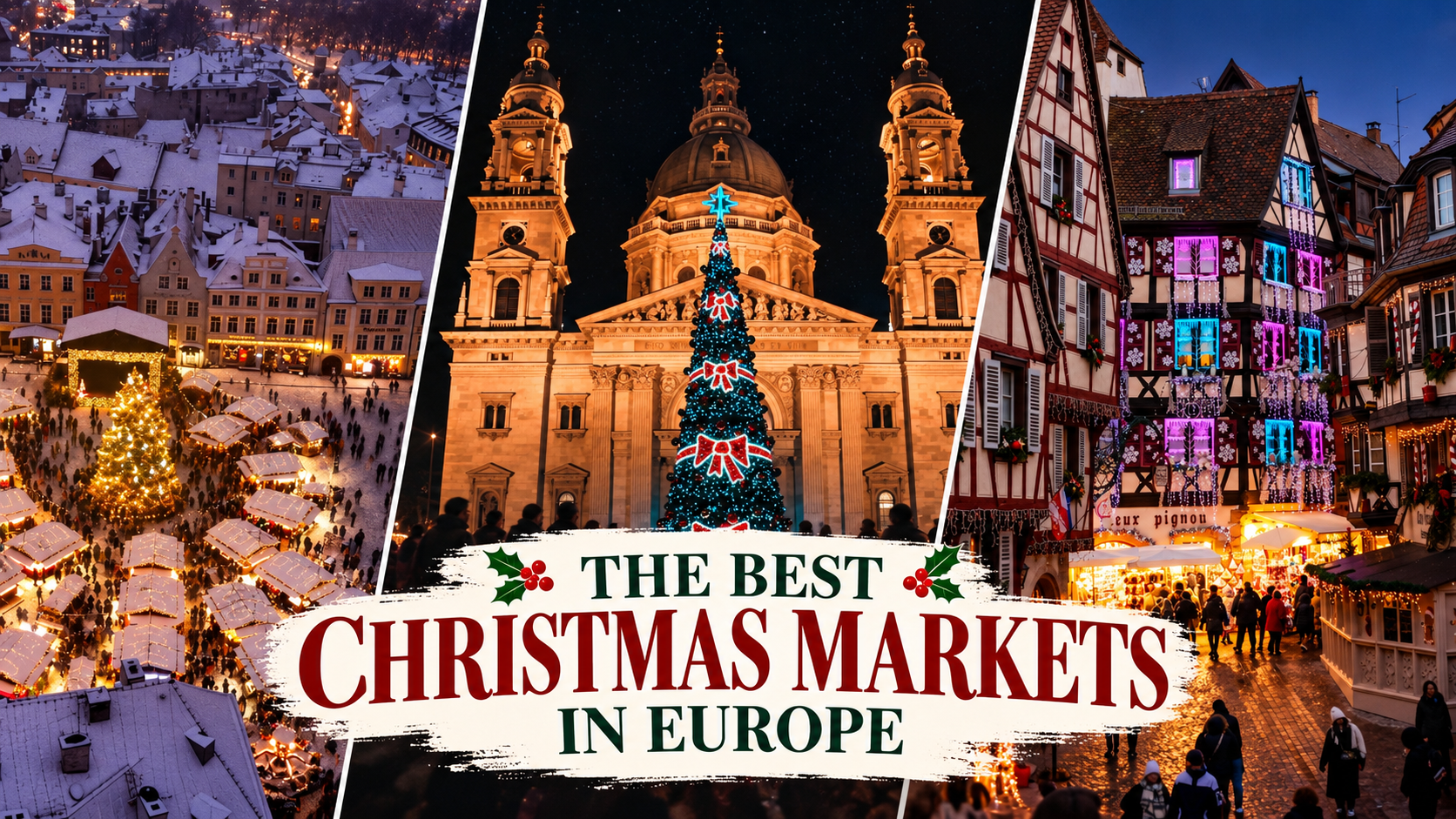
Photo: Internationista.com/Pixels
Europe has a way of making Christmas feel like an actual event rather than another shopping deadline. We're talking medieval squares filled with wooden chalets, steaming mugs of mulled wine, centuries-old holiday traditions and enough twinkling lights to make your camera roll everyone else's problem. Unlike many holiday attractions in the US, some of the best Christmas markets in Europe are woven directly into everyday city life. You can browse handmade ornaments, eat something delicious and spend the evening wandering between historic buildings without buying an admission ticket.
But not every market deserves an international flight. Some are all about the scenery, others are worth visiting for the food and a few get so crowded that the festive atmosphere comes with a side of shoulder-to-shoulder traffic. For 2026, we're looking beyond the prettiest photos to the details that actually matter: opening dates, locations, entry fees, what makes each market special and whether it's worth building a winter getaway around. From the storybook streets of Strasbourg to the Christmas festivities in Tallinn, these are the European holiday destinations we'd put on our wish list.
Read on for the best Christmas markets in Europe in 2026, including the classics worth the hype, the underrated gems and the practical details to know before booking.
Affiliate Disclosure: Some links in this article are affiliate links, which means we may earn a small commission if you book through them, at no extra cost to you.
What are the best Christmas markets in Europe for 2026?
If you're choosing just one destination, Vienna is our pick for the best all-around Christmas market getaway thanks to its variety of markets, beautiful architecture and easy-to-combine attractions. Strasbourg wins for traditional Christmas atmosphere, Prague is a standout for dramatic scenery and Tallinn delivers the kind of intimate medieval setting that makes a winter trip feel genuinely different.
Editorial fact-check note: This guide was researched on October 16, 2026. Dates are based on official tourism and organizer announcements where available, with provisional schedules identified. Market hours, admission policies and programming can change before opening.
RELATED: 30 Things to Do in Athens, Greece That Are Actually Worth the Hype
1. Vienna, Austria: The Best Christmas Markets in Europe for First-Timers
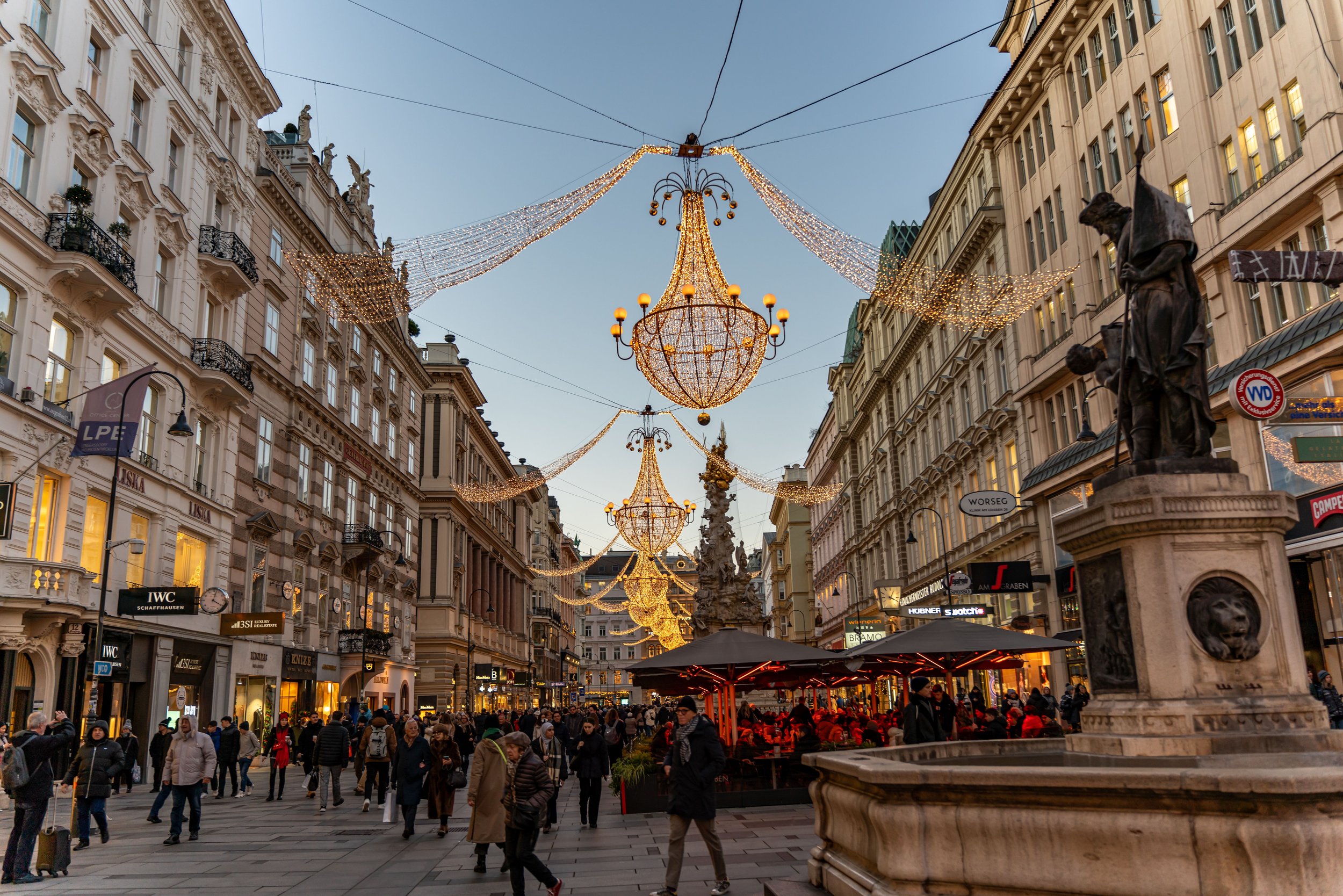
Photo: Vladimir Srajber/ Pixels
Vienna doesn't do Christmas halfway. The Austrian capital transforms its grand squares and palace courtyards into festive gathering places, each with its own personality. The famous market outside City Hall delivers the big Christmas spectacle, complete with illuminated trees, traditional stalls and an ice-skating attraction. Meanwhile, Schönbrunn Palace offers a more regal version of the festivities with artisan gifts, food stalls and a palace backdrop that looks particularly good after sunset.
What we love about Vienna is that you don't have to choose between a Christmas market trip and a proper city break. Spend the afternoon browsing the MuseumsQuartier or exploring a coffeehouse, then head to Rathausplatz for roasted chestnuts, hot punch and Käsekrainer, Austria's cheese-filled sausage. For a less overwhelming experience, explore smaller markets around the city rather than spending the entire evening at the busiest one. We'd give Vienna at least three nights so you can experience more than one market without turning the trip into a festive scavenger hunt.
What to know before you go:
Location: Rathausplatz, central Vienna. Also visit Schönbrunn Palace at Schönbrunner Schloßstraße, 1130 Vienna.
2026 dates: Rathausplatz, November 13–December 26. Schönbrunn Palace, November 6–January 6, 2027.
Entry: Free to both markets. Skating, food and purchases cost extra.
Hours: Rathausplatz generally opens daily from 10 a.m. to 10 p.m. Schönbrunn opens from 10 a.m. to 9 p.m. before Christmas, with shorter holiday hours.
Don't miss: Christmas punch, handmade decorations and Vienna's café culture between market visits.
Our tip: Take the U4 subway to Schönbrunn and visit before sunset to see the palace in daylight and the market illuminated afterward.
2. Strasbourg, France: The Best Christmas Market for a Real-Life Holiday Movie
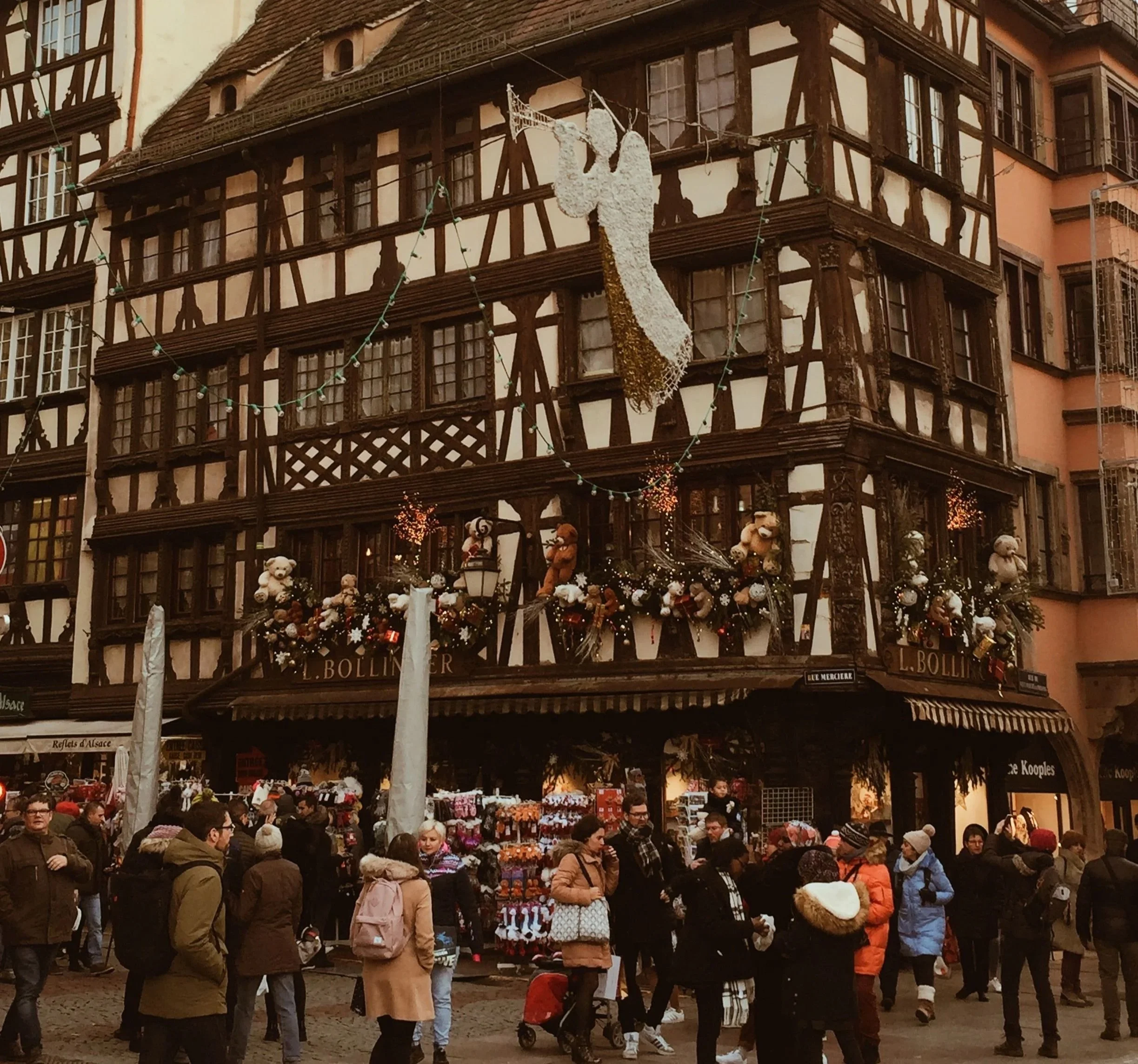
Photo: Jbid Uluk/ Pixels
If your ideal Christmas trip involves impossibly pretty streets and a little French charm, Strasbourg is the obvious choice. Nicknamed the Capital of Christmas, this Alsatian city has been celebrating the festive season with its historic Christkindelsmärik since 1570. The market experience spreads across the historic center, with chalets near the cathedral, an enormous Christmas tree at Place Kléber and decorated half-timbered houses that seem designed specifically for December.
We'd come hungry. Strasbourg's Christmas markets are an excellent introduction to Alsatian food, from tarte flambée, a thin flatbread topped with cream, onions and bacon, to bredele, the region's traditional Christmas cookies. Look out for local pottery, handcrafted ornaments and regional specialties instead of filling your suitcase with mass-produced souvenirs. The main drawback? Strasbourg is extremely popular, especially on Advent weekends. We'd choose a Tuesday or Wednesday evening and stay overnight rather than attempting to squeeze the experience into a rushed day trip.
What to know before you go:
Location: Place Broglie, Place Kléber, Cathedral Square and other locations throughout central Strasbourg, France.
2026 dates: Main Christmas market schedule awaiting official confirmation. Late November through December 24 is the expected period.
Entry: Free to browse the public market areas.
What to expect: Multiple market squares, elaborate decorations, regional food and significant crowds.
Don't miss: The giant tree at Place Kléber and an evening walk through Petite France.
Our tip: Strasbourg is easy to combine with Colmar by train, making the two an ideal Christmas-market itinerary.
3. Prague, Czechia: The Best Christmas Market for a Romantic Winter City Break
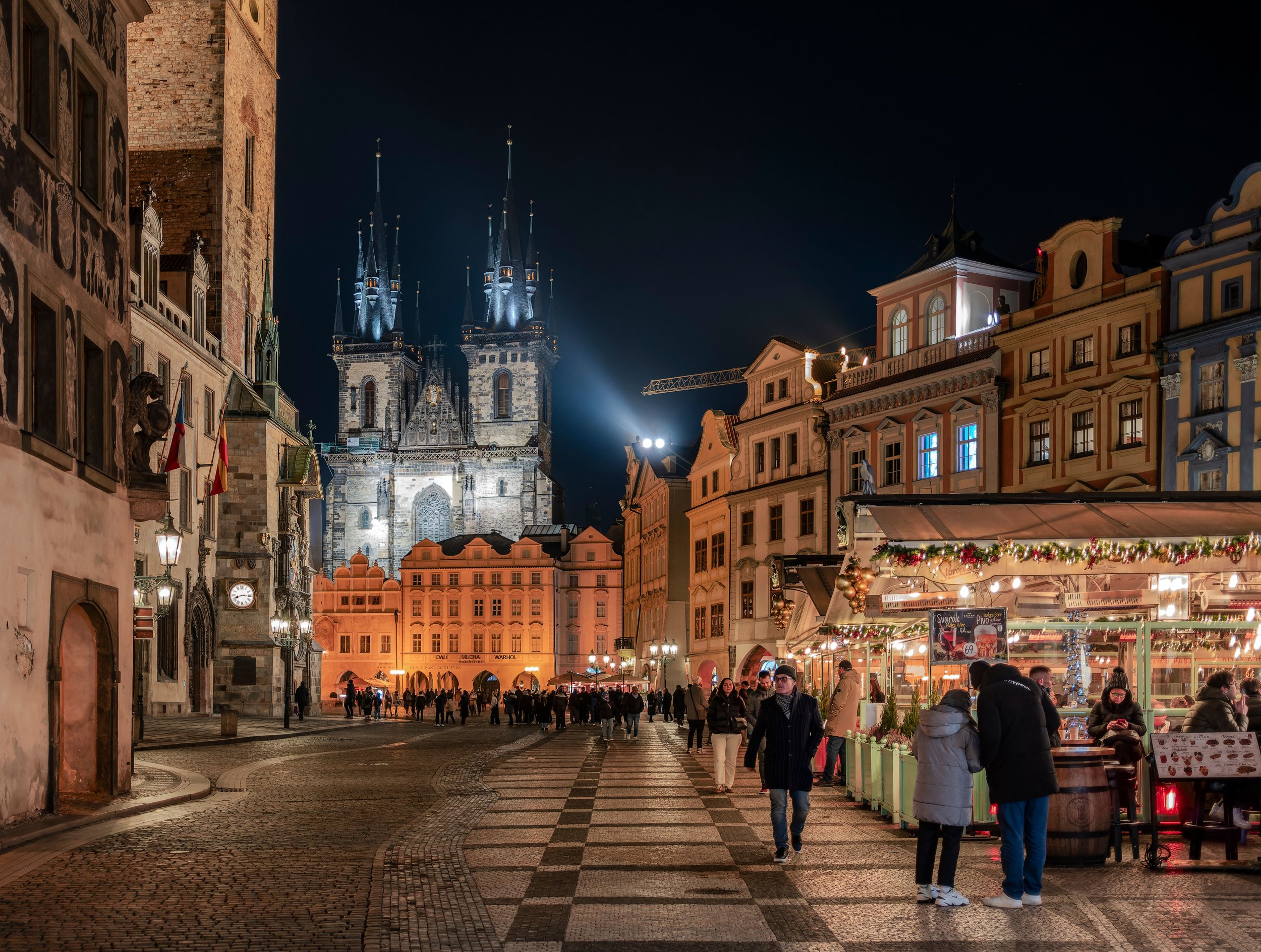
Photo: Yassen Kounchev/ Pixels
Prague already has the Gothic towers, cobblestone streets and dramatic architecture of a fairy-tale city. Add Christmas markets and suddenly even a casual evening walk feels like a scene from a holiday romance. The main market at Old Town Square sits beneath the Church of Our Lady before Týn, with a towering Christmas tree, wooden stalls and traditional Czech food. It's undeniably touristy, but some places earn their popularity.
For us, Prague's real appeal is the contrast between its grand central market and the smaller neighborhood celebrations. Start at Old Town Square for the big reveal, then visit Náměstí Míru for a more local atmosphere. Food is part of the experience: expect grilled sausages, roasted nuts, mulled wine and trdelník, the sugar-coated chimney-shaped pastry that's become a Prague street-food favorite. Just don't mistake trdelník for an ancient Czech Christmas tradition. And if you're traveling after December 25, Prague is a particularly good choice because its two major central markets remain open into January.
What to know before you go:
Location: Old Town Square and Wenceslas Square, central Prague, Czechia.
2026 dates: November 28–January 6, 2027 for both main markets. Náměstí Míru runs November 20–December 24.
Entry: Free.
Hours: The main markets are scheduled for 10 a.m. to 10 p.m.
Don't miss: Old Town Square after dark, traditional Czech ornaments and a walk across Charles Bridge.
Our tip: Check food prices before ordering, especially for meat sold by weight. The most central stalls aren't necessarily the best value.
4. Nuremberg, Germany: The Best Christmas Market for Old-School Traditions
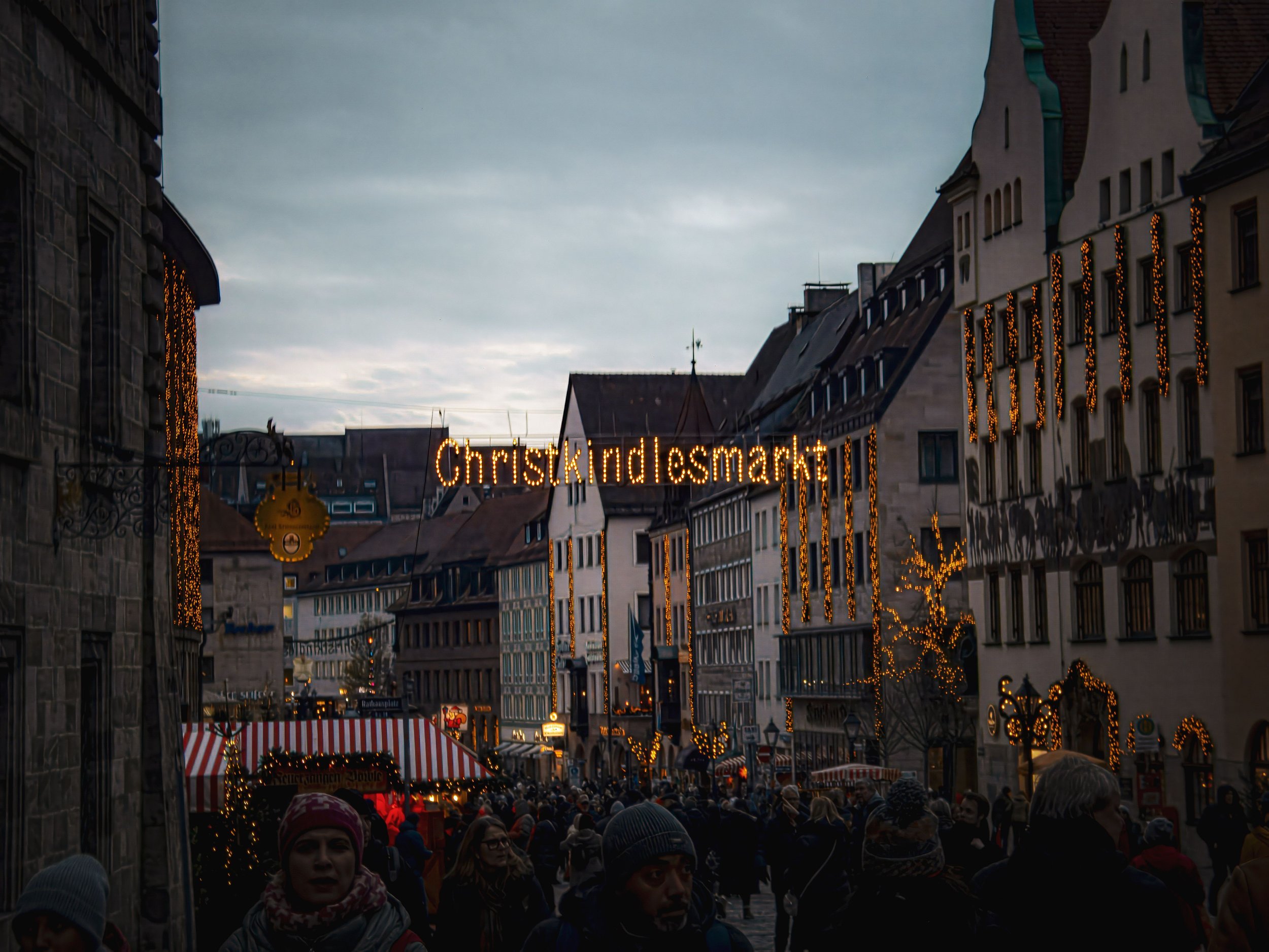
Photo: Jimmyk photos/ Pixels
Some Christmas markets are designed to entertain tourists. Nuremberg's Christkindlesmarkt feels more like an institution. Set in the city's Hauptmarkt beneath the Frauenkirche, it's one of Germany's most famous traditional Christmas markets, known for its red-and-white striped stalls, ceremonial opening and centuries-old customs. The atmosphere is less flashy than a giant winter fair and more about the things that have made German Christmas markets beloved for generations.
The food alone makes Nuremberg worth considering. Its signature Nürnberger Rostbratwürste are small grilled sausages, often served three to a roll, while the city's famous Lebkuchen gingerbread makes an excellent edible souvenir. Browse traditional wooden decorations, handcrafted ornaments and regional gifts, then wander into the surrounding Old Town. We particularly like Nuremberg for travelers who want to understand why Germany's Christmas-market tradition became so influential. It's a place to slow down and appreciate the details, not just photograph the decorations.
What to know before you go:
Location: Hauptmarkt, 90403 Nuremberg, Germany.
2026 dates: November 27–December 24.
Entry: Free.
Hours: Daily 10 a.m.–9 p.m., except December 24 when the market closes at 2 p.m.
Don't miss: Nuremberg gingerbread, the traditional Christkind figure and the city's handmade Christmas ornaments.
Our tip: Visit during the week. Nuremberg gets particularly busy on December weekends and the main market closes on Christmas Eve.
RELATED: 7 Best Digital Detox Retreats in the U.S. to Truly Unplug
5. Colmar, France: The Prettiest Christmas Market for Storybook Scenery
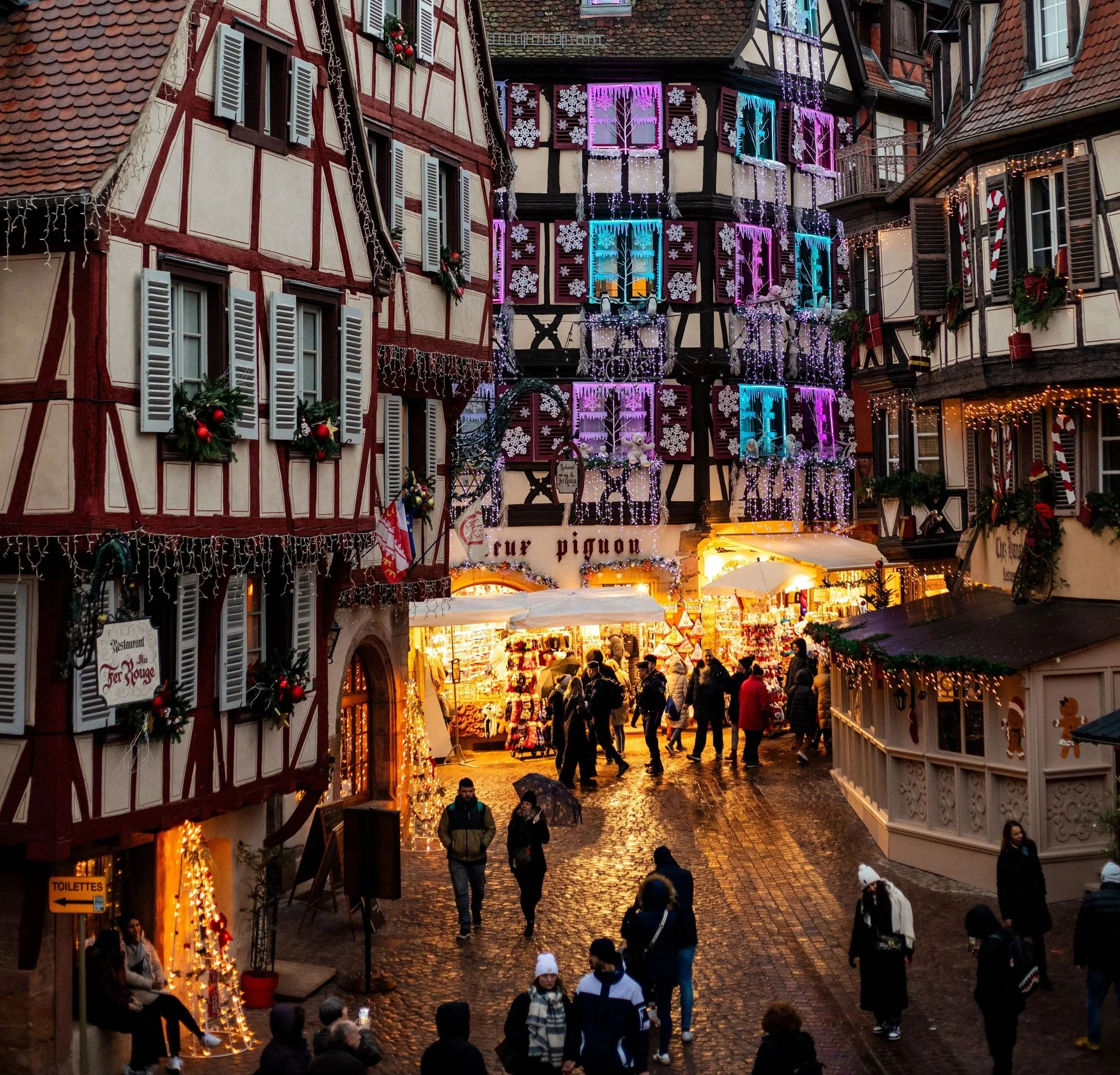
Photo: Çağlar Aslan/ Pixels
Colmar looks like someone built a miniature French village and forgot to scale it back up. Pastel-colored half-timbered houses, narrow lanes and canals give the Alsatian town an almost theatrical quality, especially when Christmas decorations take over the windows and storefronts. Rather than one enormous market, Colmar has several smaller festive markets tucked into its historic center, giving the whole town a walkable holiday atmosphere.
This is where we'd go for a slower, more intimate Christmas trip. Spend the afternoon browsing artisan stalls, sampling Alsatian pastries and wandering through Petite Venise before the lights come on. Colmar's smaller size is part of its charm, but it also means the central streets can become packed with day-trippers. Stay overnight if you can. Once the tour groups leave, the town is far easier to enjoy and you can actually stop to appreciate the architecture without constantly navigating around other people's photos.
What to know before you go:
Location: Place des Dominicains, Place de l'Ancienne Douane and other squares in Colmar's Old Town, France.
2026 dates: November 23–December 29, according to published 2026 schedules. Recheck with the organizer.
Entry: Free to browse.
What to expect: Smaller markets with crafts, local food and elaborate decorations throughout the town.
Don't miss: Petite Venise, Alsatian bredele cookies and the illuminated historic center.
Our tip: Combine Colmar with Strasbourg, approximately 30 minutes away by direct train.
6. Budapest, Hungary: The Best Christmas Markets for Food Lovers and Night Owls
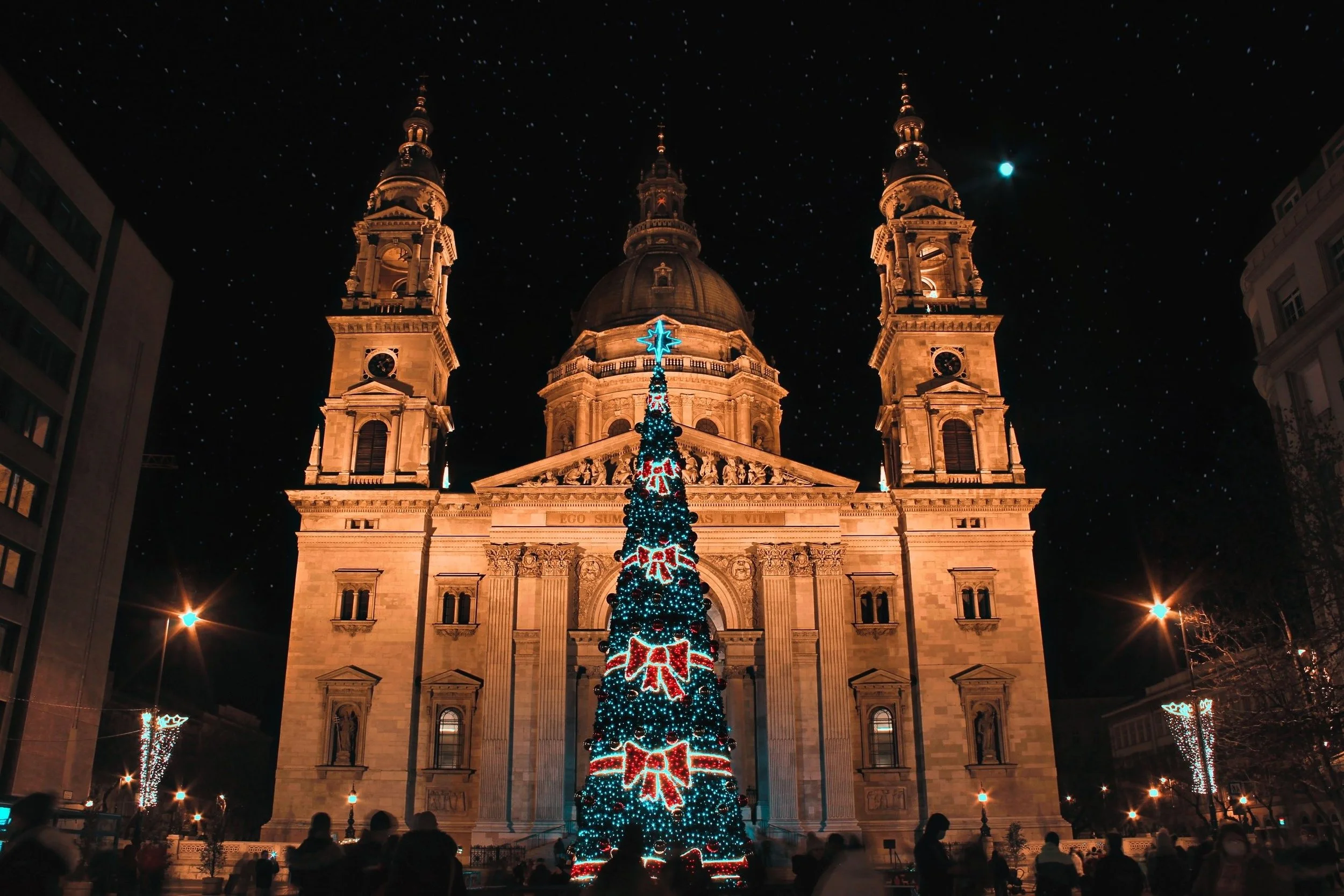
Photo: Bojána Noémi Molnár/ Pixels
Budapest knows how to make winter feel like a social occasion. Its main Christmas markets bring together hearty Hungarian food, festive light displays and a lively atmosphere that pairs nicely with the city's famous ruin bars and thermal baths. The Advent Basilica market, in front of St. Stephen's Basilica, is the visual centerpiece, while Vörösmarty Square offers another major gathering spot for holiday shopping and street food.
Come with an appetite because Hungarian Christmas-market food isn't particularly subtle. Expect lángos, a fried flatbread often topped with sour cream and cheese, kürtőskalács chimney cake and warming dishes such as goulash. What makes Budapest especially appealing to us is the possibility of building an entire weekend around the festivities. Browse the stalls in the evening, book a thermal-bath session the next morning and finish with dinner or drinks in the Jewish Quarter. It's a Christmas getaway that doesn't require Christmas to be your entire personality.
What to know before you go:
Location: Szent István tér, outside St. Stephen's Basilica, and Vörösmarty Square, central Budapest, Hungary.
2026 dates: Official main-market dates not yet verified. Expect a mid-November opening, subject to confirmation.
Entry: Free to browse the main public market areas.
What to expect: Hungarian comfort food, handmade gifts, decorative lights and busy evening crowds.
Don't miss: Lángos, chimney cake and the Advent Basilica light displays if offered in 2026.
Our tip: Bring a payment card but keep some Hungarian forints handy. Hungary uses the forint, not the euro.
7. Tallinn, Estonia: The Best Christmas Market for a Medieval Winter Escape
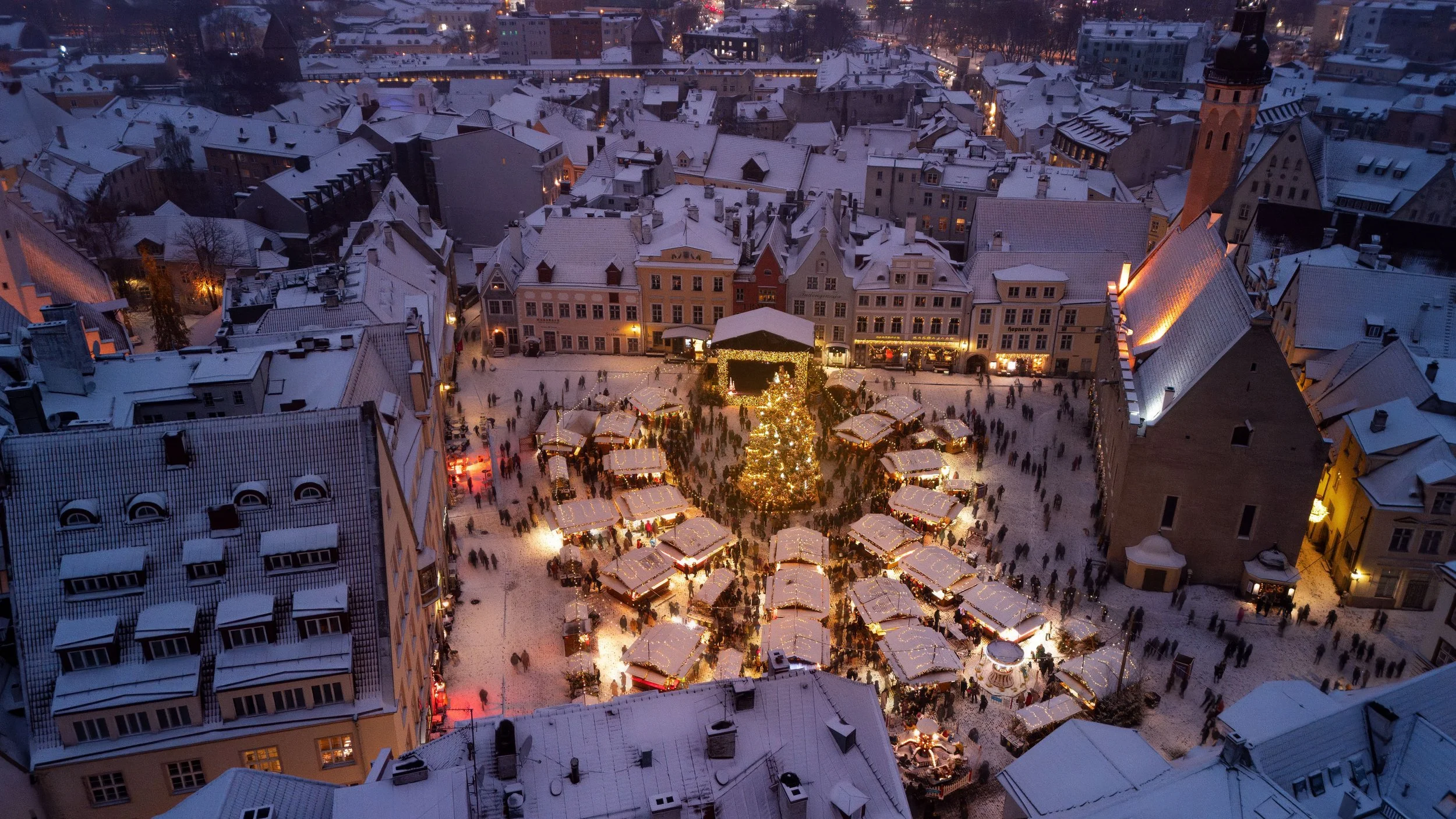
Photo: Anton Massalov/ Pixels
Tallinn might be the closest you'll get to stepping inside a medieval Christmas illustration. Its Old Town is a maze of cobbled lanes, merchant houses and historic towers, with a compact Christmas market at Town Hall Square. The market's centerpiece is a towering decorated tree, surrounded by wooden stalls selling woolen accessories, handcrafted gifts and traditional Estonian treats.
Unlike the sprawling markets of Vienna or Brussels, Tallinn's appeal lies in its intimate scale. You can explore the main market, wander through the Old Town and stop for a cozy café break without needing a detailed itinerary. We love the idea of pairing an afternoon of Christmas shopping with an evening of hearty Estonian food, especially black pudding, sauerkraut and gingerbread. Tallinn is also one of the best choices for travelers hoping for a snowy backdrop, although snowfall is never guaranteed. Pack proper winter boots: the combination of freezing temperatures and cobblestones is not particularly friendly to fashion-first footwear.
What to know before you go:
Location: Town Hall Square, Raekoja plats, Tallinn Old Town, Estonia.
2026 dates: November 20–January 6, 2027, according to published seasonal schedules.
Entry: Free.
What to expect: A compact traditional market, artisan gifts, Estonian food and medieval surroundings.
Don't miss: The Christmas tree, gingerbread and views across the Old Town from Toompea Hill.
Our tip: Visit the market at dusk, then explore the surrounding streets after dark when the city feels especially atmospheric.
8. Dresden, Germany: The Best Christmas Market for History and Handmade Gifts
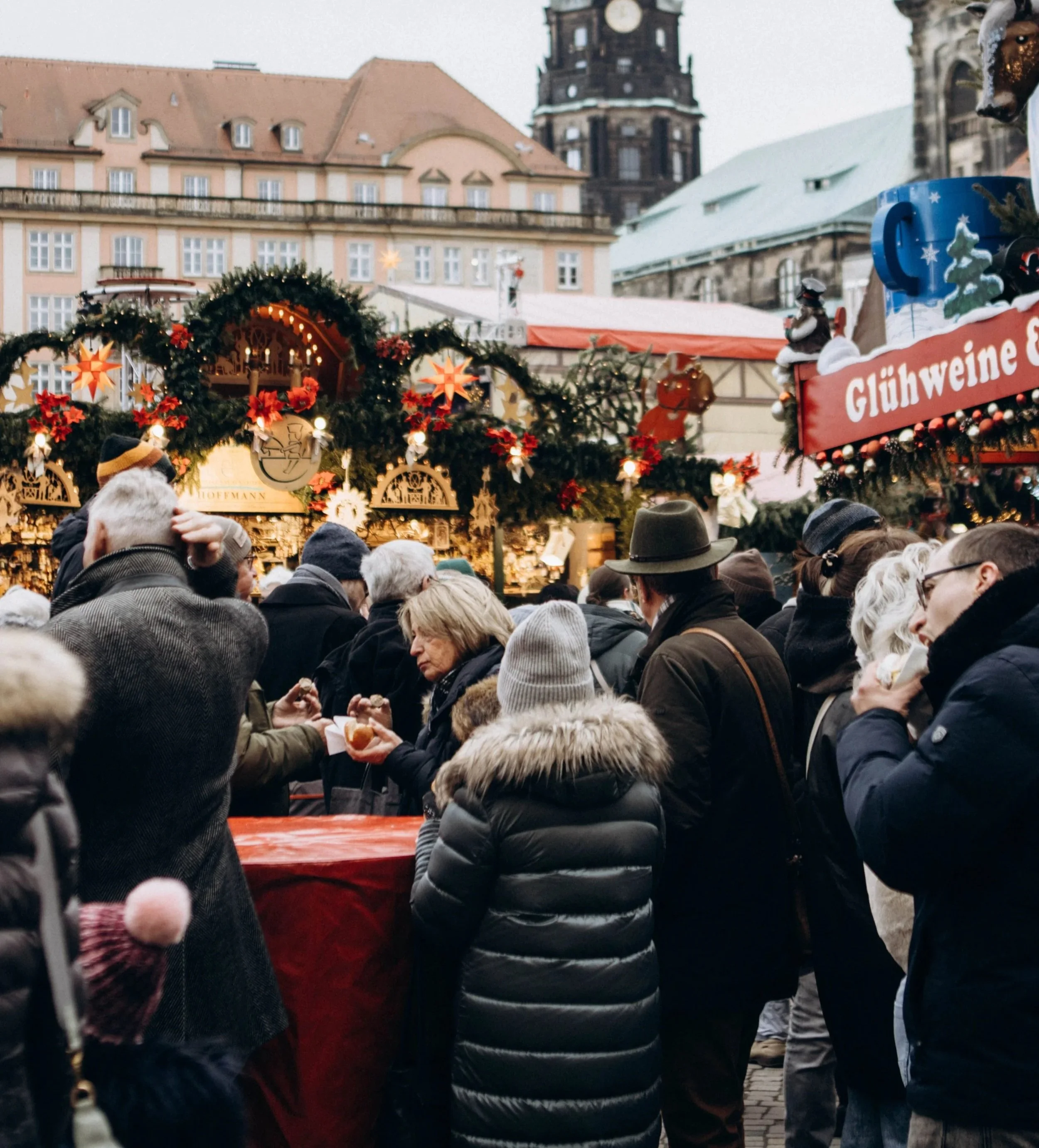
Photo: Liudmyla Shalimova/Pixels
Dresden's Striezelmarkt has been around since 1434, making it one of Germany's oldest Christmas markets. Set in Altmarkt, the historic square becomes a celebration of Saxon craftsmanship, regional food and Christmas traditions that predate the modern obsession with festive photo opportunities. Expect an enormous Christmas pyramid, wooden stalls and an impressive selection of ornaments that actually feel worth taking home.
Shopping is the main reason we'd choose Dresden over some of Germany's more internationally famous markets. The region is known for wooden Christmas decorations, including nutcrackers, incense smokers and intricately carved ornaments from the Ore Mountains. Then there's Dresden Christstollen, the rich fruit bread associated with the city and its holiday celebrations. Dresden is particularly appealing if you want your souvenirs to have a genuine connection to local craft traditions. It also makes a convenient addition to a Berlin or Prague itinerary, with direct rail connections to both.
What to know before you go:
Location: Altmarkt, central Dresden, Germany.
2026 dates: November 25–December 24.
Entry: Free.
What to expect: Traditional Saxon crafts, wooden Christmas decorations, local specialties and historic festive displays.
Don't miss: Dresden Christstollen, the Christmas pyramid and handcrafted wooden ornaments.
Our tip: Make time for Dresden's Frauenkirche and the historic center rather than treating the market as a quick stop between trains.
9. Brussels, Belgium: The Best Christmas Market for a Festive Friends' Trip
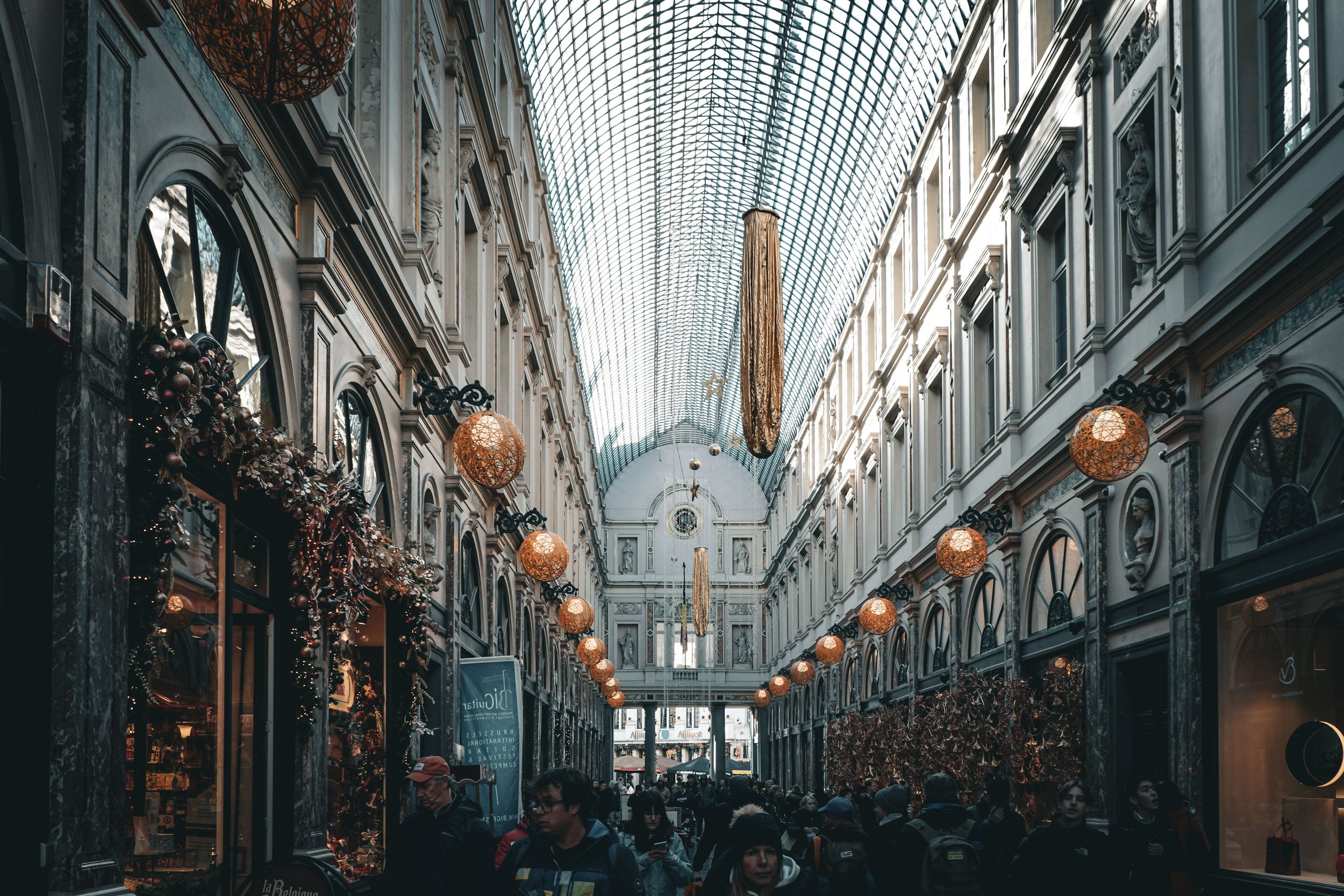
Photo: Warre Van de Wouwer/ Pixels
Brussels turns its Christmas celebrations into a full-blown citywide event. Known as Winter Wonders, the festival stretches through central Brussels with more than 200 chalets, a Ferris wheel, ice-skating attractions and a spectacular Christmas tree at Grand-Place. The city's historic architecture makes an impressive backdrop, but it's the mix of shopping, entertainment and Belgian food that makes this one particularly fun for a group trip.
We'd start with the light show at Grand-Place before making our way toward Sainte-Catherine for the market stalls and festive attractions. Belgian waffles are an obvious choice, but don't overlook frites, chocolate and the local beer scene. Brussels feels less like a quiet traditional Christmas market and more like a holiday festival that happens to take over a European capital. That's exactly why it works for a long weekend with friends, especially if your group wants sightseeing, nightlife and festive activities in the same itinerary.
What to know before you go:
Location: Grand-Place, Bourse, Sainte-Catherine, Marché aux Poissons and other central Brussels locations, Belgium.
2026 dates: November 27–January 3, 2027.
Entry: Free. Attractions such as the Ferris wheel and skating cost extra.
Hours: Generally noon–10 p.m., with early closing at 6 p.m. on December 24 and 31.
Don't miss: The Grand-Place light show, Belgian waffles and the festive atmosphere around Sainte-Catherine.
Our tip: Brussels is well connected by train to Bruges, so consider combining the city festival with a smaller Belgian Christmas destination.
RELATED: 5 Best Silent Travel Destinations in the U.S. for Quiet Retreats & Wellness Escapes
10. Salzburg, Austria: The Best Christmas Market for a Romantic Getaway
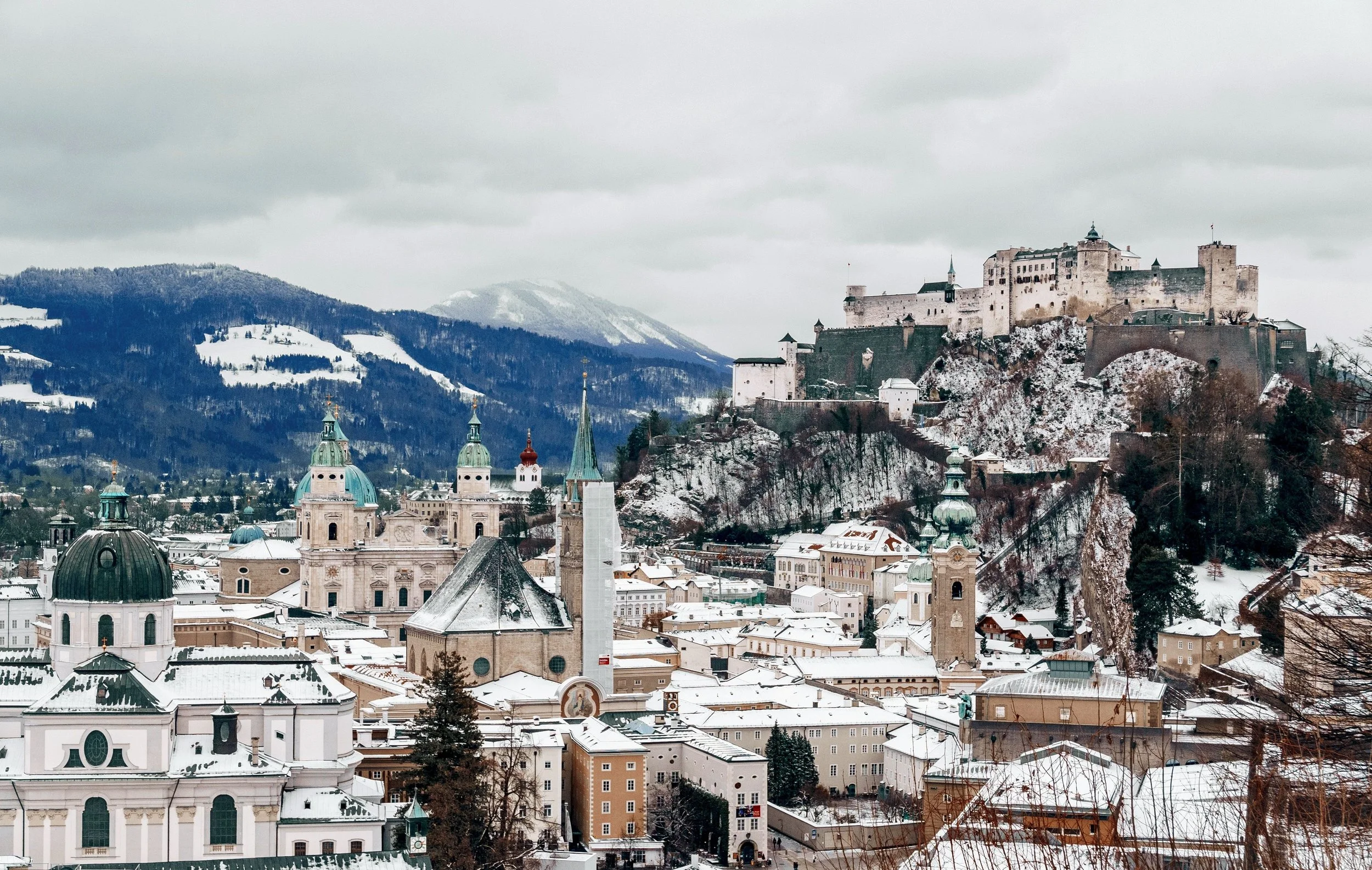
Photo: Marko Klaric/ Pixels
Salzburg has the kind of old-world beauty that makes a Christmas getaway feel instantly romantic. The city's main Christkindlmarkt spreads across Cathedral Square and Residence Square, beneath elegant historic buildings and the imposing Hohensalzburg Fortress. Instead of overwhelming visitors with giant attractions, Salzburg leans into its musical heritage, traditional crafts and a distinctly Austrian festive atmosphere.
The market is particularly lovely for couples who prefer their Christmas celebrations with a little culture. You can browse handmade decorations, sample roasted chestnuts and warm up with punch before exploring the Old Town's narrow shopping streets. Salzburg also hosts seasonal music and traditional events, including a Krampus run scheduled for December 5, 2026. If you want something quieter, head to the Stern Advent market, tucked into a courtyard between Getreidegasse and Griesgasse. It's one of those places that rewards wandering without a strict itinerary.
What to know before you go:
Location: Domplatz and Residenzplatz, Salzburg Old Town, Austria.
2026 dates: November 19–January 1, 2027. Stern Advent continues through January 6.
Entry: Free.
Hours: The main market generally opens 10 a.m.–8:30 p.m. Monday–Thursday, with extended hours on Friday and Saturday and special holiday schedules.
Don't miss: Traditional Christmas music, Austrian punch, Mozartkugeln chocolates and the historic Old Town.
Our tip: Pair Salzburg with Vienna for a multi-city Austrian Christmas getaway. Direct trains make the combination straightforward.
11. Copenhagen, Denmark: The Best Christmas Market for Festive Lights and Fun
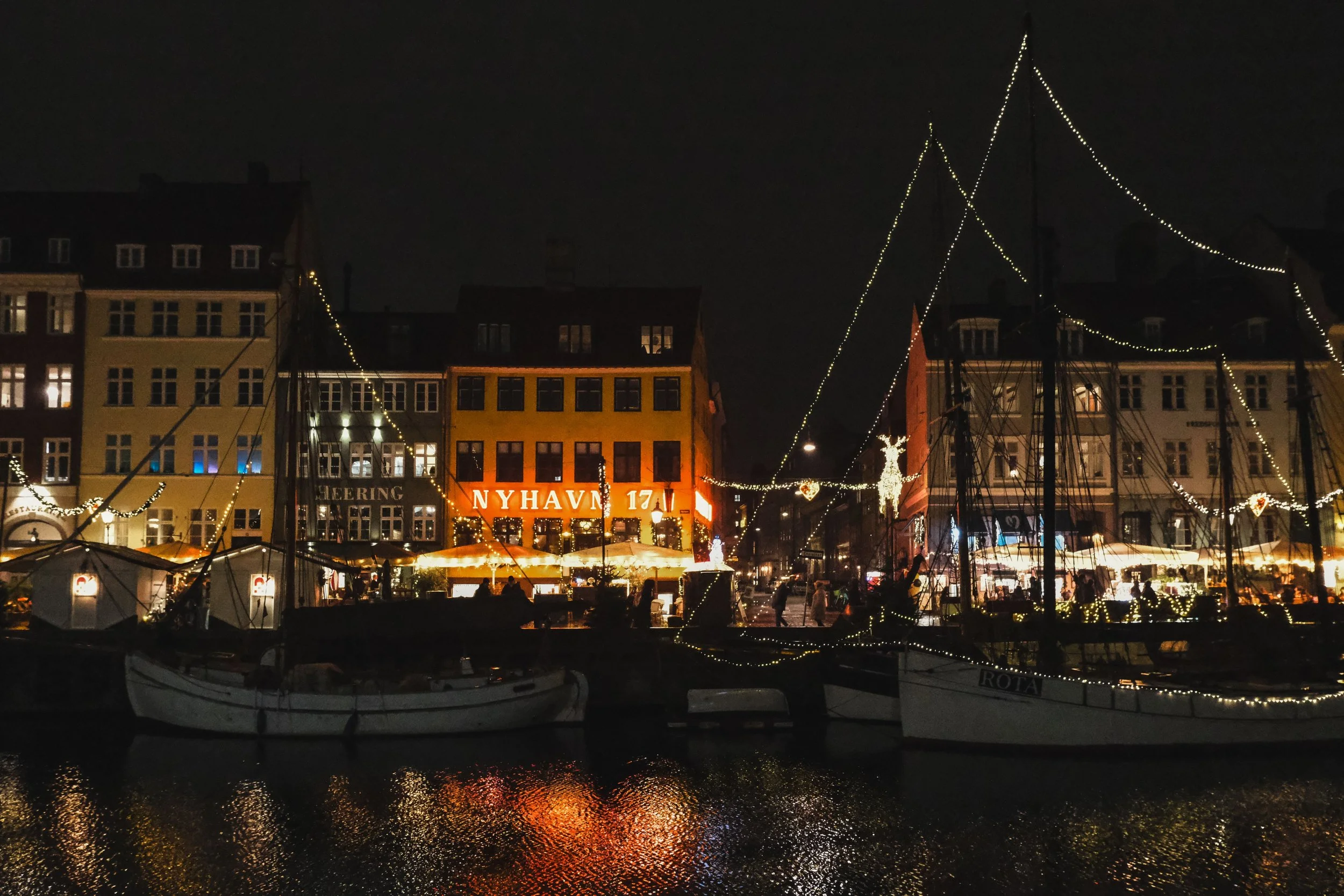
Photo: Ezgi Kaya/ Pixels
Copenhagen's Christmas celebrations at Tivoli Gardens are not your typical collection of stalls in a historic square. They're an immersive festive experience inside one of the world's oldest amusement parks, with decorated gardens, holiday shopping, rides and elaborate seasonal lighting. It's more polished and entertainment-focused than a traditional German Christmas market, but if you love a big visual moment, Tivoli absolutely understands the assignment.
We'd visit after sunset when the lights are at their best and give ourselves enough time to enjoy the gardens rather than rushing between stalls. Expect Danish holiday treats such as æbleskiver, small pancake-like pastries often served with jam and powdered sugar, plus gløgg, Denmark's version of mulled wine. Tivoli is also a strong choice for travelers who want a Christmas experience that feels distinctly different from the rest of this list. The trade-off is the admission fee, so it's worth planning several hours inside to get the most out of your ticket.
What to know before you go:
Location: Tivoli Gardens, Vesterbrogade 3, central Copenhagen, Denmark, opposite Copenhagen Central Station.
2026 dates: November 13–January 3, 2027.
Entry: Paid. A Tivoli admission ticket or qualifying pass is required. Some rides and experiences cost extra.
What to expect: Christmas stalls, elaborate light displays, rides, seasonal entertainment and Danish holiday food.
Don't miss: The illuminated gardens, seasonal decorations and evening light installations.
Our tip: Check the ticket options before visiting. Tivoli is a better value when you plan to spend an entire evening enjoying the attractions.
12. Zagreb, Croatia: The Best Christmas Market for an Underrated City Break
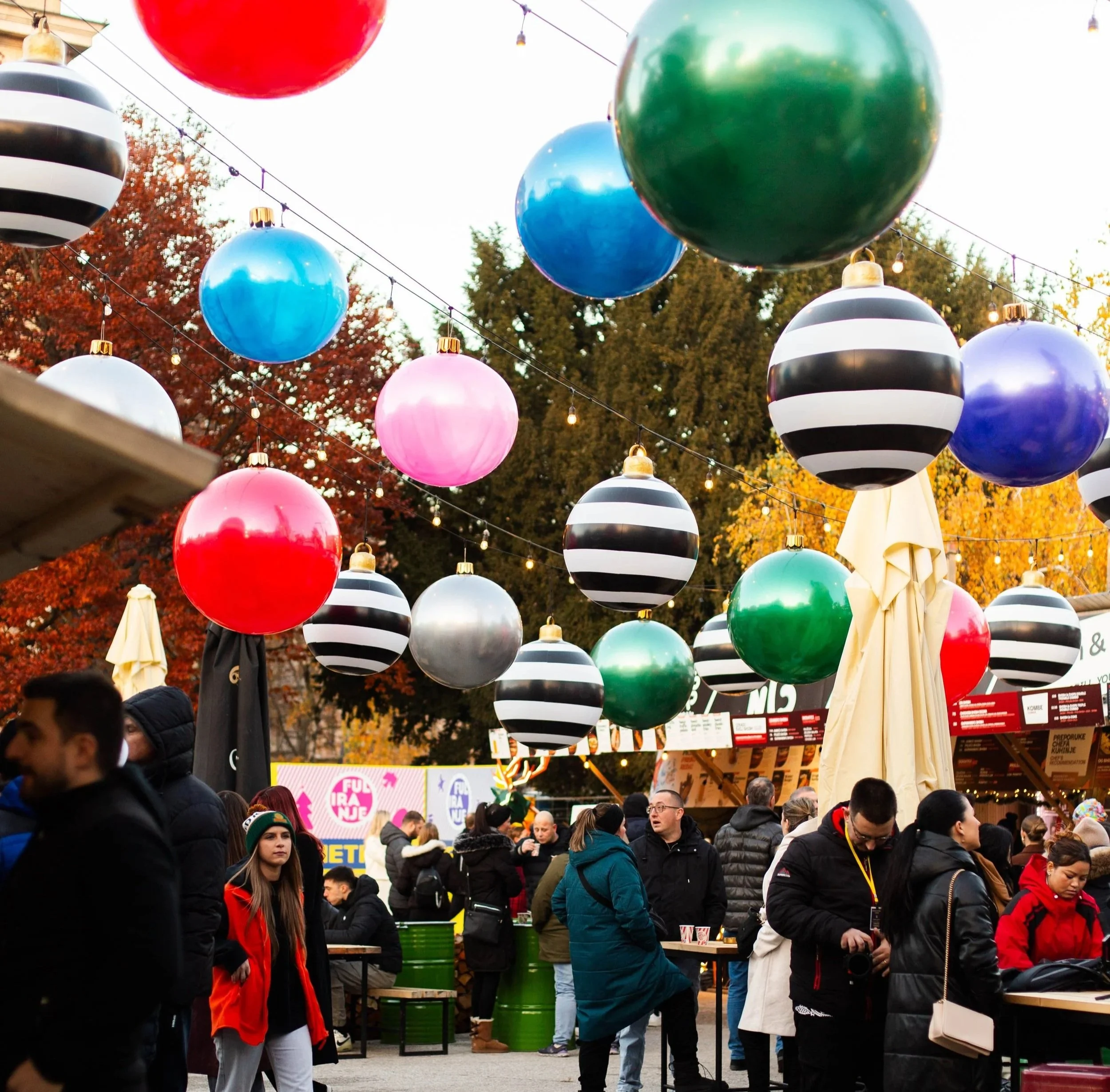
Photo: Eugenia Sol/ Pixels
Zagreb doesn't always make the first draft of a European Christmas itinerary, which is precisely why we'd consider it. Croatia's capital takes a citywide approach to Advent, with decorated squares, festive food stalls, seasonal music and illuminated parks. Rather than concentrating everything into one crowded marketplace, the celebrations encourage visitors to explore different parts of the city.
Start around Ban Jelačić Square, then wander toward Zrinjevac Park, one of the city's prettiest festive locations. Croatian specialties, warming drinks and local music give the celebrations a different character from the more traditional markets of Germany and Austria. Zagreb also makes a strong case for travelers who want a European Christmas getaway without limiting themselves to the obvious destinations. Spend your days exploring cafés, museums and the Upper Town, then enjoy the festive atmosphere after dark. It's an especially appealing choice if you're traveling between Christmas and New Year's, when many other European markets have already closed.
What to know before you go:
Location: Ban Jelačić Square, Zrinjevac Park and other locations throughout central Zagreb, Croatia.
2026 dates: November 28–January 7, 2027, according to published seasonal schedules.
Entry: Free to public Advent areas. Individual activities may be ticketed.
What to expect: A citywide festival, seasonal food, festive music and illuminated public spaces.
Don't miss: Zrinjevac Park, Croatian holiday treats and the city's historic Upper Town.
Our tip: Zagreb uses the euro, making it straightforward to combine with other eurozone destinations.
When do Christmas markets in Europe open in 2026?
Most major European Christmas markets open between mid-November and the final weekend of November. Vienna's Schönbrunn Palace market is an early starter, opening November 6, while the Rathausplatz market begins November 13. Nuremberg opens November 27 and Prague's main Old Town Square market opens November 28.
For travelers hoping to visit several markets in one trip, early to mid-December is generally a safer choice than early November because more markets will be operating simultaneously.
RELATED: Is the London Pass Worth It? Don't Buy It Until You Read This
Which European Christmas markets are free to visit?
Most traditional Christmas markets in Europe are free to enter, including the main markets in Vienna, Strasbourg, Prague, Nuremberg, Budapest and Brussels. You pay for food, drinks, shopping and optional activities rather than general admission.
Copenhagen's Christmas celebration at Tivoli Gardens is a notable exception because it takes place inside a ticketed amusement park. Remember that even free markets can become expensive once you add meals, drinks, transportation and accommodation.
RELATED: Best Things to Do in Amsterdam: 10 Bookable Experiences for First-Time Visitors
Which Christmas markets in Europe are open after Christmas?
Prague, Brussels, Tallinn and Vienna's Schönbrunn Palace are among the best options for visiting after December 25, 2026. Prague's main markets and Schönbrunn are scheduled to continue until January 6, 2027, while Brussels Winter Wonders ends January 3.
Salzburg's main Christkindlmarkt also continues through January 1, 2027. Traditional German markets such as Nuremberg generally close on Christmas Eve, so checking dates is essential before planning a late-December getaway.
What is the cheapest Christmas market in Europe to visit?
There isn't one universally cheapest Christmas market because your overall costs depend on flights, hotels, exchange rates and when you book. Budapest, Zagreb and Prague are worth comparing if affordability matters, particularly against destinations such as Copenhagen and Vienna.
For a budget-friendly trip, we'd prioritize a city with free market admission, good public transportation and several attractions within walking distance. Visiting on weekdays can also help avoid the accommodation premiums associated with popular December weekends.
RELATED: Discover the 5 Best Hidden Saunas in Amsterdam for 2026
How much money should you bring to a European Christmas market?
As a rough planning allowance, budget around €20–€40 per person for a casual market evening with a snack, a drink and perhaps a small purchase. That is an illustrative budget, not a verified 2026 price average. Elaborate meals, artisan gifts and ticketed attractions can push the total higher.
Also look out for refundable mug deposits, common at some Christmas markets. You may pay a little extra when buying mulled wine, then receive the deposit back when returning the mug. Or keep it as a souvenir.
What should you wear to Christmas markets in Europe?
Warm, comfortable layers and waterproof footwear are essential, especially in northern and central Europe. Temperatures can drop below freezing in places such as Tallinn, Prague and Vienna, while rain is also possible in cities such as Brussels and Strasbourg.
We'd choose a warm coat, thermal layers, gloves and boots with good grip over an outfit that only looks good in photos. You'll likely spend hours outdoors and the most memorable Christmas-market evenings are rarely the warmest ones.
How many days do you need for a European Christmas market trip?
Two to three days is enough for a focused Christmas market getaway in a city such as Prague, Strasbourg or Tallinn. For Vienna, we'd recommend three to four days because the city has several major markets alongside museums, palaces and historic cafés.
If you're planning a multi-city Christmas market trip, allow five to seven days and choose destinations with convenient train connections. Strasbourg and Colmar, Vienna and Salzburg or Dresden and Prague are particularly appealing combinations.
Is November or December better for visiting Christmas markets in Europe?
December is generally the better month for atmosphere and market selection, particularly during the first two weeks. Most major markets are open, Christmas decorations are in full swing and you can enjoy the celebrations before the final pre-Christmas rush.
Late November can be a smart alternative if you want to experience the opening festivities and potentially avoid some of December's demand. Just check individual dates carefully: not every market is open by Thanksgiving.
Which European Christmas market is the most beautiful?
For picture-perfect scenery, we'd put Strasbourg, Colmar, Prague and Tallinn at the top of the list. Strasbourg is particularly impressive for its elaborate decorations and historic architecture, while Colmar feels more intimate thanks to its colorful half-timbered buildings.
Prague offers the most dramatic Gothic backdrop and Tallinn has an unmistakable medieval character. The best choice depends on whether you prefer a grand city square, a charming small town or a quieter winter escape.
A Little Heads-Up: While we do our best to share accurate information and highlight great hotel and hostel stays, we haven't personally experienced every location featured. Prices, availability and experiences may vary, so we recommend checking all the details, reviews and booking policies before making a reservation. All stays are operated by independent providers, and we're not responsible for the quality of your stay, changes to your booking or any issues that may arise during your trip. Your booking is subject to the provider's terms and conditions.